

The EU-Mercosur agreement, a free trade agreement between the European Union and Mercosur, has been under discussion in the Commission after over 25 years of negotiations. The agreement opens up relevant commercial scenarios for the European agri-food and alcohol sector, providing tariff reductions, access to strategic raw materials, and protection of Italian Geographical Indications. However, it raises concerns among farmers and national producers, who fear competition from low-cost South American products, often made to less rigorous production standards.
EU-Mercosur Agreement: Opportunities and Critical Issues for European Agri-Food
The EU-Mercosur agreement represents one of the main trade agreements for the EU, with important tariff reductions on food products and access to strategic raw materials, such as minerals and lithium. Mercosur countries aim to increase their exports to Europe, particularly of beef, sugar, poultry, and other agricultural products. The objective of European governments is instead to diversify supplies and reduce dependence on non-EU markets, including China. Despite the commercial opportunities, the agreement has generated concerns among European farmers and breeders who fear competition from low-cost South American products.
Protests in Brussels over the EU-Mercosur agreement (archive photo)
Protests in Brussels and Demands from Farmers
On Wednesday, over one hundred farmers gathered at Place du Luxembourg in front of the European Parliament in Brussels, demonstrating against the agreement. The protest saw the throwing of potatoes and eggs, the lighting of smoke bombs and small fires, in a context of tension and unrest. At the same time, the Copa-Cogeca, the main European agricultural federation, organized a peaceful march starting from the Gare du Nord, asking for support and dialogue with the institutions.
Positions of European Governments and Leaders
Some member countries, including Germany, Spain, and the Nordic countries, support the agreement, underlining that the agreement can boost European exports, reduce the impact of US tariffs, and guarantee access to strategic raw materials. France and Italy, however, express caution and concern about the consequences on the internal market. But if the French have expressed clear opposition, Prime Minister Giorgia Meloni has a more nuanced position.
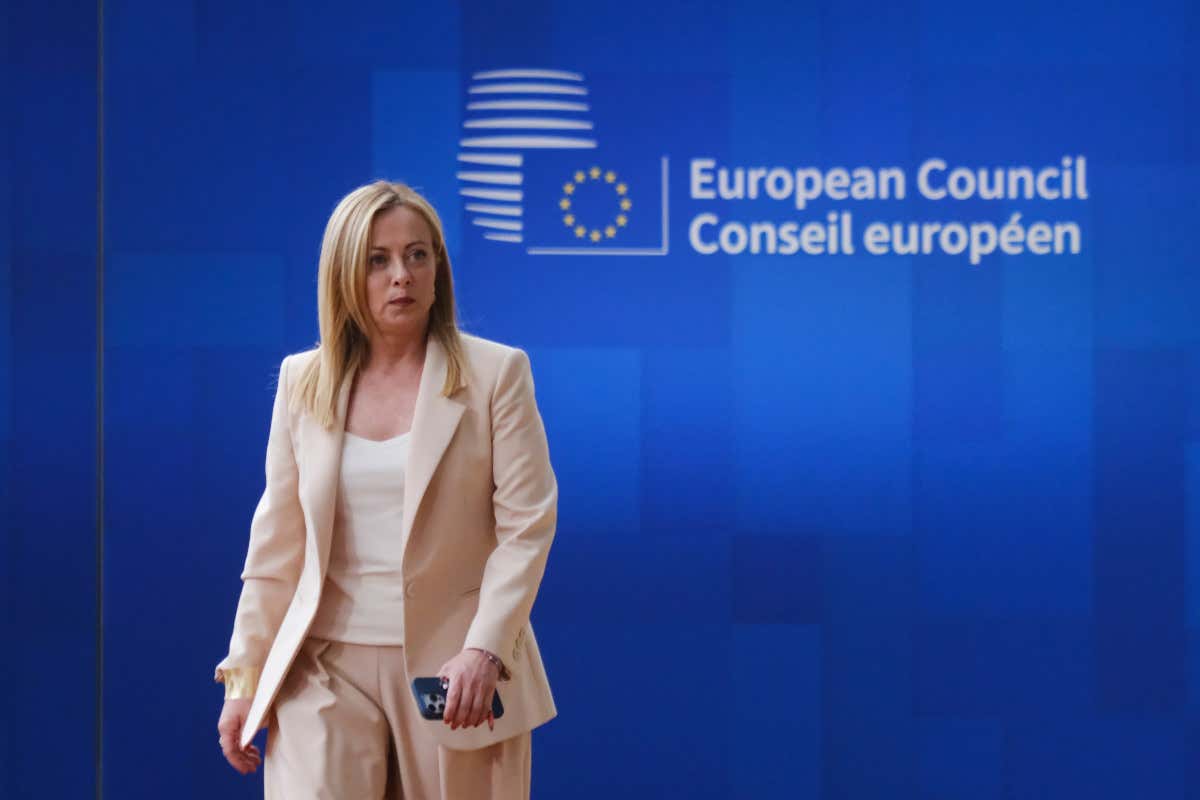
Italian Prime Minister Giorgia Meloni
Challenges and Prospects for the Agri-Food Sector
The EU-Mercosur Agreement offers opportunities for the marketing of European products, such as wine, oil, cheese, and other foods with Geographical Indications. However, uncertainties regarding the tracking of imports, the competitive costs of foreign products, and the guarantees of quality and sustainability make operators’ vigilance necessary. The safeguard clauses approved by the EU are a key tool to protect European supply chains and ensure a balance between trade openness and producer protection.
Assodistil: Good Opportunities, but Guarantees are Needed
The EU-Mercosur agreement also opens new prospects for Italian exports of alcohol and spirits, but also raises some concerns for the national sector. The reduction of customs duties promotes the protection of Geographical Indications, such as Grappa and Italian Brandy, offering a boost to exports to Mercosur countries. «The agreement certainly represents a concrete opportunity for the domestic alcohol and spirits sector», declares Sandro Cobror, Director of Assodistil.

Sandro Cobror, Director of Assodistil
At the same time, the Italian distilling sector reports concerns relating to the importation of low-cost ethanol from Mercosur countries. The agreement includes a share of 650,000 tons of ethanol destined for the EU, of which 450,000 tons at zero duty for chemical industrial use and 200,000 tonnes at concessional duty for other uses, a quantity that covers approximately half of the total European consumption in this sector. According to Assodistil, explicit guarantees on quality and environmental sustainability of imported products are missing from the agreement.
For more information on the EU-Mercosur agreement and its implications, visit Here