



EU’s War on Waste: Disposable Sachets to be Banned in Restaurants and Hotels
The date of 12 August 2026 is approaching, and with it, a new reality for European restaurants, bars, and hotels. The European Commission’s proposal, approved by Parliament and the Council in 2024, aims to reduce packaging waste and encourage sustainable solutions. This marks the beginning of a gradual process that will push establishments towards reusable containers or refillable dispensers. According to the Commission, sachets, tubes, trays, and boxes will be progressively banned, with particular attention to the Horeca sector.
The Impact on Hotels: A Shift Towards Sustainability
Hotels will have to adapt to the end of single-dose bottles of shampoo, conditioner, and soap. Small individual containers, common in hospitality facilities, will be replaced by more eco-friendly solutions such as refillable dispensers. The European choice aims to combine sustainability and health safety without sacrificing convenience for customers. The challenge for hotels will be to find the right balance between waste reduction and hygiene standards.
Ezio Indiani, general manager of the Hotel Principe di Savoia in Milan
«We went ahead and replaced them some time ago – explains Ezio Indiani, general manager of the Hotel Principe di Savoia in Milan –. In the bedrooms and bathrooms, we use glass dispensers; the same goes for disposable products at the table, such as oil, vinegar, and sauces, which are also made of this material. It is a choice that has been introduced for a couple of years now and which we believe is consistent with a more sustainable approach».
Expert Insights: Chefs and Hoteliers Weigh In

Fabio Primerano, president of Federalberghi Lombardia
«Most of the structures – he adds Fabio Primerano, president of Federalberghi Lombardia – has already prepared. The issue was addressed in time, also because it was clear that the provisions were going in that direction, and most of the hotels adapted. The courtesy line products have been eliminated and replaced by dispensers. The same goes for water and soft drinks, which are now increasingly served in aluminum or glass cans. However, there is the risk of enormous waste: as often happens, side effects that are not always positive emerge.
The End of Sugar Sachets: A Return to Traditional Practices
Not only condiments and body care products but also the classic sugar sachets risk disappearing from bars. The idea is to return to the more environmentally friendly sugar bowl, reducing the use of single-dose packages. At the same time, single portions of oil and salt, very popular in recent years, will have to disappear in restaurants, while bottles of shampoo and soap will be gradually eliminated in hotels.
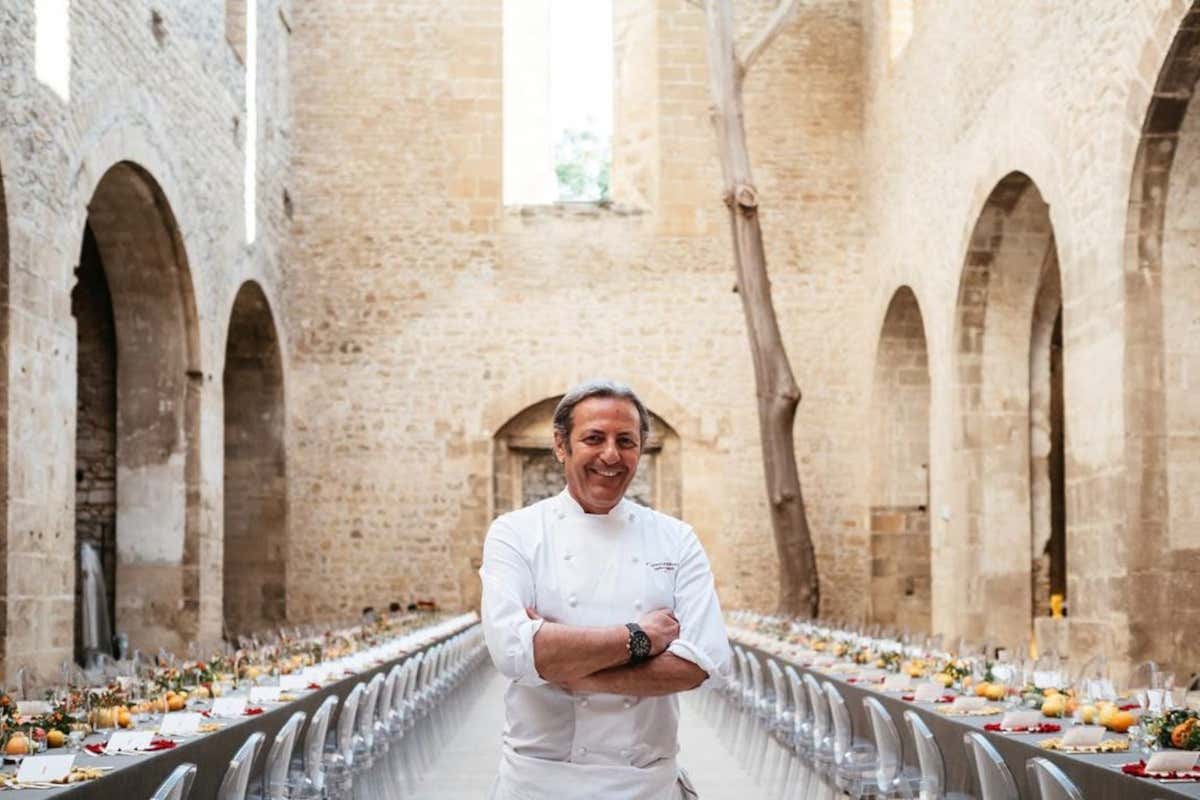
Chef Filippo La Mantia
However, the chef Philip La Mantia reveals: «I agree. I’ve never been a big user of disposable products. Now, for example, I am about to start a unique project in San Vito Lo Capo (Tp), in a new five-star hotel, where I will revolutionize everything and also take on the role of general manager: it will be a totally plastic-free structure.
Objectives and Challenges: The Road to Sustainability
Europe aims to reduce packaging waste by 15 percent per capita by 2040. The strategies include a return to returnable plastic bottles and aluminum cans and a growing share of take-away drinks served in reusable containers, reaching 20 percent of sales by 2030 and 80 percent by 2040. The legislation also requires that new plastic packaging contain a minimum amount of recycled material.
Costs, Supply Chain, and Critical Issues
However, there is no shortage of controversy. Coldiretti and Filiera Italia have already expressed their opposition, reporting the risks for Italian companies that have invested in technologically advanced, sustainable, and recyclable packaging. According to the president Ettore Prandini, the new legislation risks increasing production costs along the entire agri-food chain and, consequently, the prices paid by consumers.
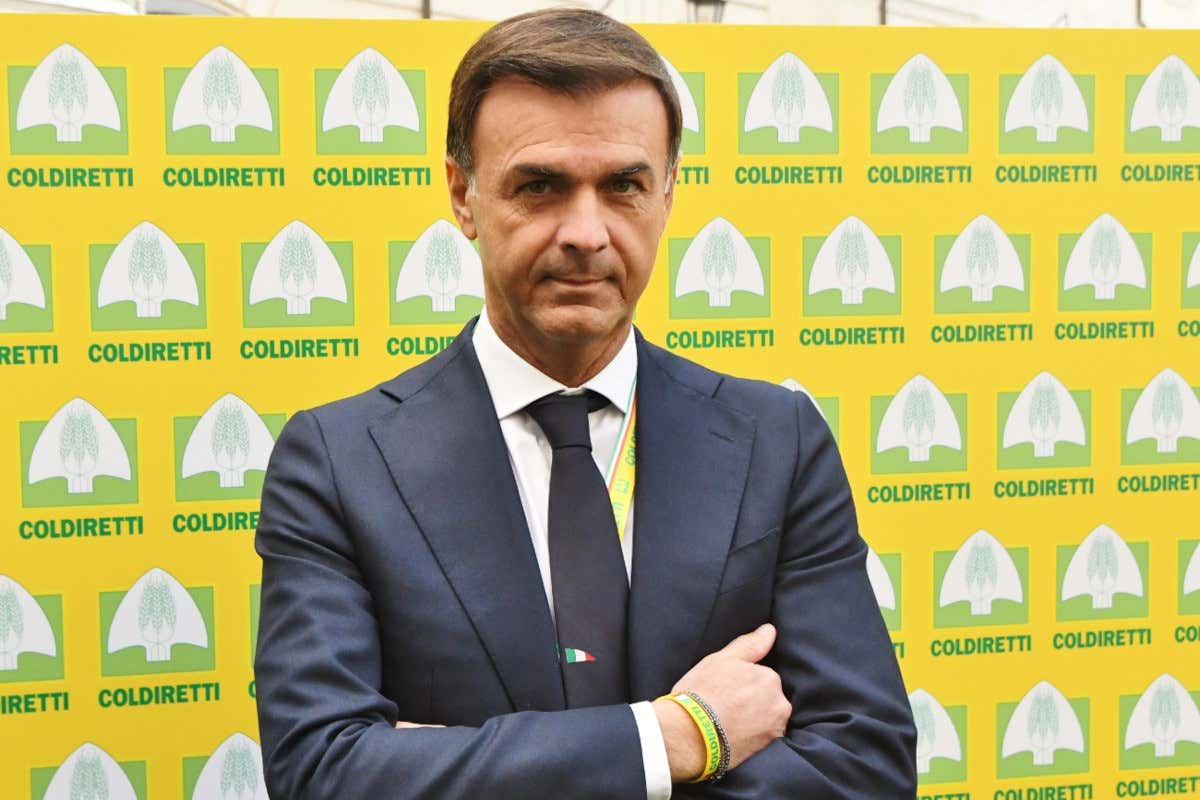
Ettore Prandini, president of Coldiretti
Towards a More Sustainable Horeca: The Future of Hospitality
With the PPWR, the European Union aims to transform catering and hospitality into more sustainable and conscious sectors. The challenge will be to reconcile sustainability, health and hygiene safety, and cost management, accompanying bars, restaurants, and hotels towards more ecological practices without sacrificing service. In short, the future of Horeca will be marked by a balance between efficiency, environmental responsibility, and innovation.
Read more about the EU’s war on waste and its impact on the hospitality industry Here