


Unpacking the Critique of Italian Cuisine: A Case of Satire or Misunderstanding?
The recent article by Giles Coren, a renowned food critic for The Times and The Sunday Times, sparked a heated debate about Italian cuisine. Coren initially described Italian cuisine as a “myth,” “mirage,” and “scam,” and UNESCO’s recognition of it as “predictable,” “servile,” “dull,” and “irritating.” However, after facing backlash, he recast his statements as satire, aiming to caricature English clichés about Italy and the pretentiousness of the British elite who consume Italian cuisine as a status symbol.
Giles Coren, historical writer of the Times and the Sunday Times
Satire: A Delicate Balance
Satire, when done effectively, can be a powerful tool for social commentary. However, in this case, Coren’s attempt at satire falls short. By initially presenting his statements as factual and only later claiming they were satirical, he undermines the credibility of his argument. Satire should be clear in its intent, not used as a defensive mechanism after the fact. As the article highlights, “satire, when it is such, doesn’t come later. It is not declared after the fact. It is not used to correct a setting error, but to take it to the end.”
UNESCO’s Recognition: More Than Just a Ranking
Coren’s critique of Italian cuisine is based on a misunderstanding of UNESCO’s recognition. The organization does not assign rankings or declare a particular cuisine as the “best.” Instead, it recognizes cultural practices, relationship systems, and intangible assets that have value because they are shared. In the case of Italian cuisine, UNESCO protects the social ritual of the meal, the table as a transmission space, and food as an everyday language that crosses classes, territories, and generations.
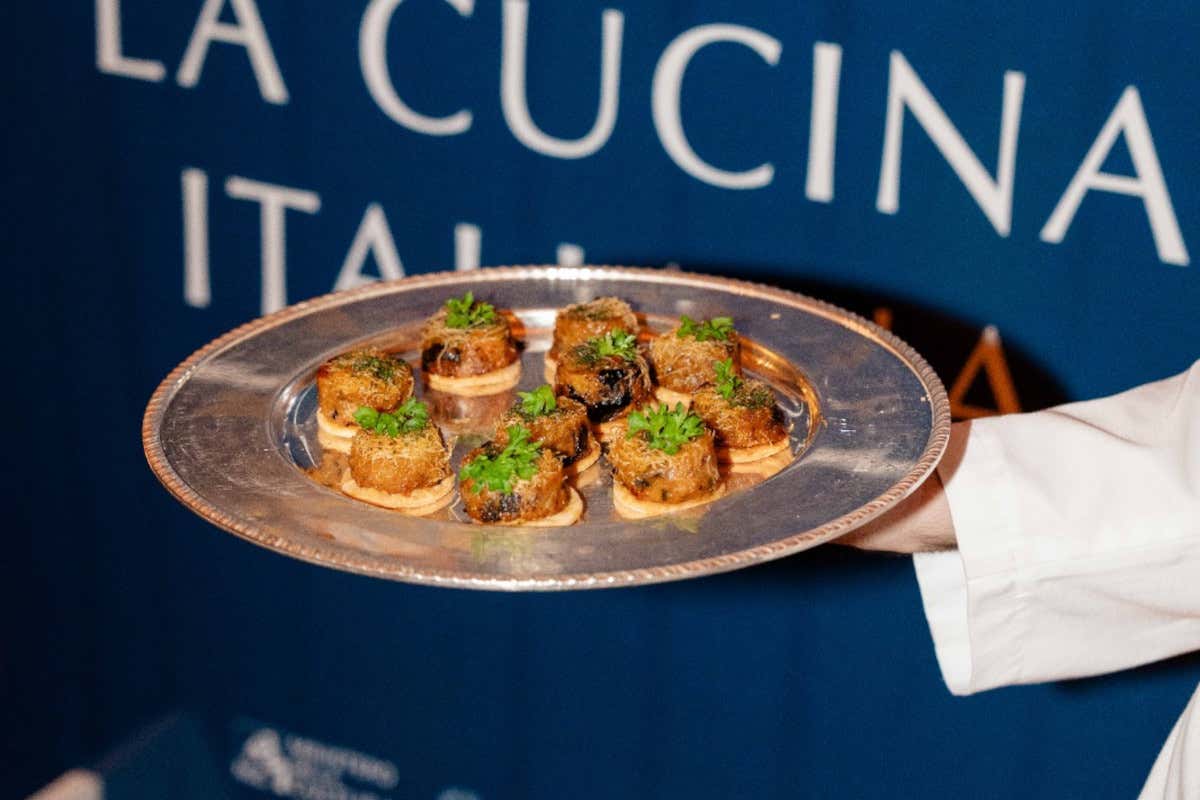
UNESCO does not establish hierarchies of taste, but recognizes cultural practices
The Fragility of English Cuisine
Coren’s defense of satire reveals its limits when he implies that English cuisine is a more authentic model. However, English cuisine struggles to present itself as a recognizable cultural system, lacking a shared grammar and relying heavily on external influences. The article notes, “English cuisine is not a vertical system dominated by its media leaders. It is a horizontal structure, widespread, domestica. It lives in daily repetition, in family rituals, in village bars, in gestures that build belonging even before taste.”

Chef Massimo Bottura
A Lesson in Effective Satire
In contrast, King Charles’s lighthearted joke about the UK benefiting from Italian influence, acknowledging that they “corrupt your kitchen” every now and then, demonstrates a more effective use of satire. This approach recognizes the existence of a system and pokes fun at it in a respectful manner. As the article concludes, “satire, when it is true, does not need to be explained. And above all, it doesn’t come later.”