



Remembering Valentino: A Legacy of Elegance and Refined Taste
Ludovico Clemente Garavani, known to everyone as Valentino, passed away at the age of 93 at his home in Rome. The news spread like wildfire, a testament to his enduring influence on the world of fashion and beyond. Valentino was one of the most iconic stylists of the second half of the twentieth century, renowned for his distinctive and coherent aesthetic, which even transformed a color – red – into a universal signature. However, his impact extended far beyond the realm of clothing, as he also left an indelible mark on the way we approach everyday life, including the art of dining.
Valentino’s biography is a fascinating tale of passion, dedication, and creativity. Born in Voghera, Italy in 1932, he trained in Paris under the guidance of Jean Dèsses and Guy Laroche before bringing his international flair to Rome in the late 1950s. His rise to fame was swift, with his first major success at Palazzo Pitti in 1962, followed by a long and illustrious career that intertwined with the worlds of Hollywood, high society, and the most iconic women of the twentieth century. In parallel, Valentino cultivated a more private and intimate world, one that was reflected in his love of painting and his approach to food and entertaining.
The Art of Dining: Valentino’s Approach to the Table
For Valentino, food was not just a necessary aspect of life, but a conscious act that required attention, care, and respect. As he shared in the book “At the Emperor’s Table” by André Leon Talley, his approach to dining was governed by clear rules and a deep understanding of harmony, rhythm, and proportion. The table was an orderly space where every element, from the plates to the glasses, the tablecloth to the conversation, played a vital role in creating a memorable experience. This philosophy is beautifully illustrated in the book, which offers a glimpse into Valentino’s world and his passion for creating unforgettable moments around the table.
Context Over Numbers: Valentino’s Philosophy on Dining
Valentino had a simple yet profound principle: the number of guests did not matter. What made a difference was the context, the atmosphere, and the attention to detail. Every morning, he would decide, along with his personal chef Martin Lazarov, what would be served, which silverware to use, and which fabric would accompany the meal. This discipline was not about being rigid or formal but about showing respect for the people and the experience. Even when dining alone, Valentino approached the table with the same care and attention, believing that every meal deserved to be savored and enjoyed.
A Custom-Made Kitchen: Valentino’s Approach to Food
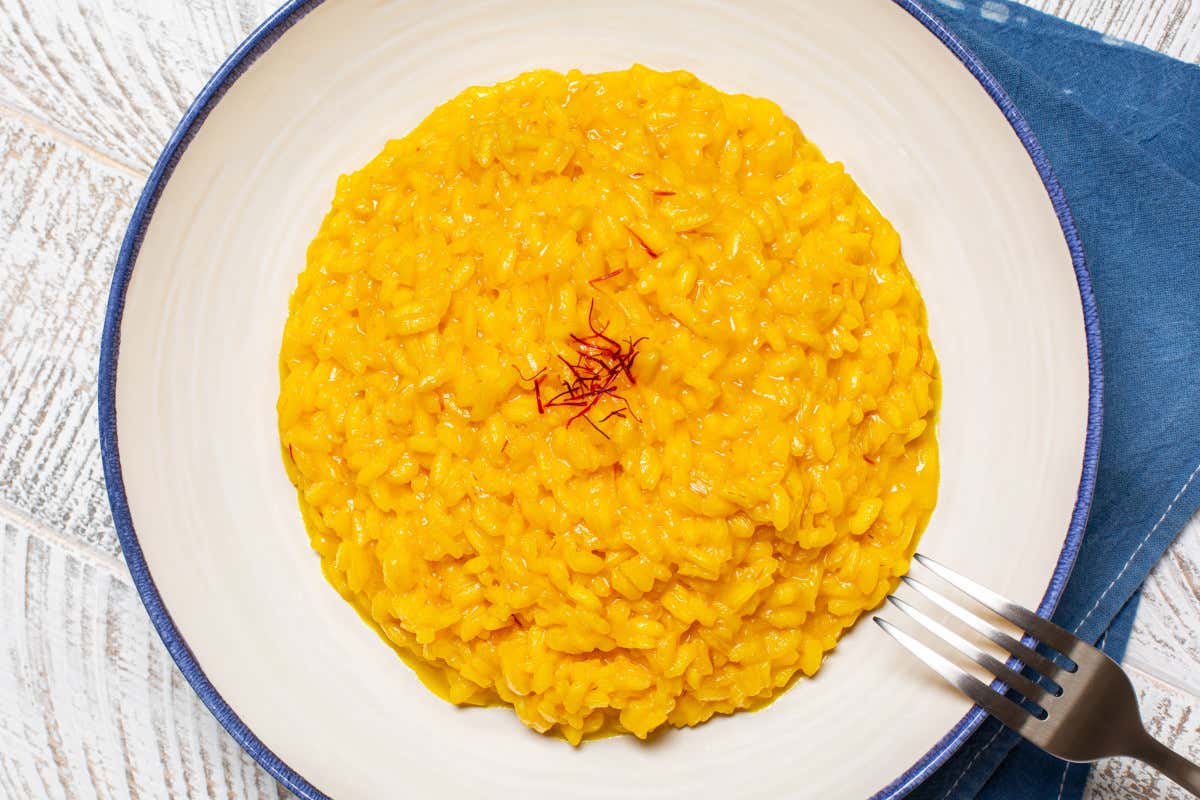
Valentino’s love for food was evident in his choices, which were always guided by a clear line: simplicity, lightness, and a focus on essential flavors. He avoided heavy preparations and excesses, preferring instead to let the natural taste of the ingredients shine through. His favorite dish, the Milanese risotto, was a testament to this approach, with its dry, precise texture and delicate flavor. Valentino’s kitchen was designed to accompany conversation, not dominate it, with a focus on simple, digestible ingredients that would not overpower the senses.
Houses, Rules, and Everyday Life: Valentino’s World
Valentino’s approach to life was not limited to the table; it extended to his homes, his relationship with objects, and his love for nature. His houses, from Rome to London, from New York to Capri, and Gstaad, were all different yet united by a common thread: richness, warmth, and a deep sense of coherence. Valentino believed in the importance of rules and etiquette, not as a way to constrain, but as a means to create structure and harmony in everyday life. Even eating alone deserved attention, and a neglected table was, for him, a sign of disorder, not freedom.
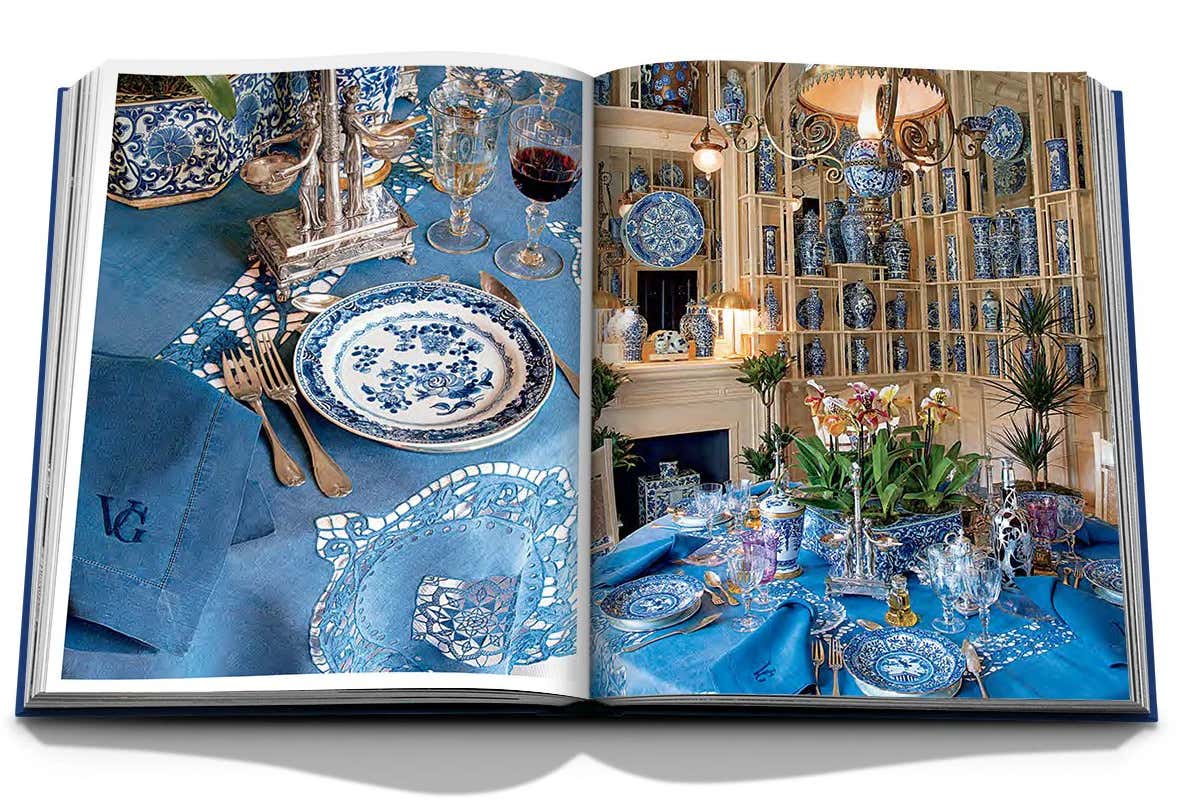
As we remember Valentino, we are reminded that elegance is not just an abstract concept but a daily practice that permeates every aspect of our lives. It is about the small gestures, the attention to detail, and the care we put into creating meaningful experiences, whether around the table or in our everyday interactions. Valentino’s legacy is a testament to the power of living a life of purpose, passion, and refinement, and his impact will continue to inspire us for generations to come. Read more about Valentino’s life and legacy Here