



UNESCO Protection: A Double-Edged Sword for Cultural and Natural Heritage
The UNESCO recognition is often perceived as a guarantee of increased tourism, but this narrative shortcut ignores a fundamental part of the problem: what happens after recognition. As economist Enrico Bertacchini notes, entry into the UNESCO list “increases international media coverage of the sites, but does not automatically guarantee widespread economic benefits”. In other words, branding amplifies, not solves, and can even lead to the debasement of the protected object through mass consumption and abuse.
UNESCO recognition does not solve the problems
The Case of the Dolomites: When Recognition Becomes a Boomerang
The case of the Dolomites is emblematic. In recent years, local operators and environmental associations have questioned the usefulness of the recognition, citing harm caused by concentrated and superficial tourism. Hoteliers, mountain guides, and protection associations have spoken openly about overcrowding, pressure on infrastructure, and consumption of the landscape. Overtourism is not a negative phenomenon that only concerns historic centers, but also natural sites like the Dolomites.
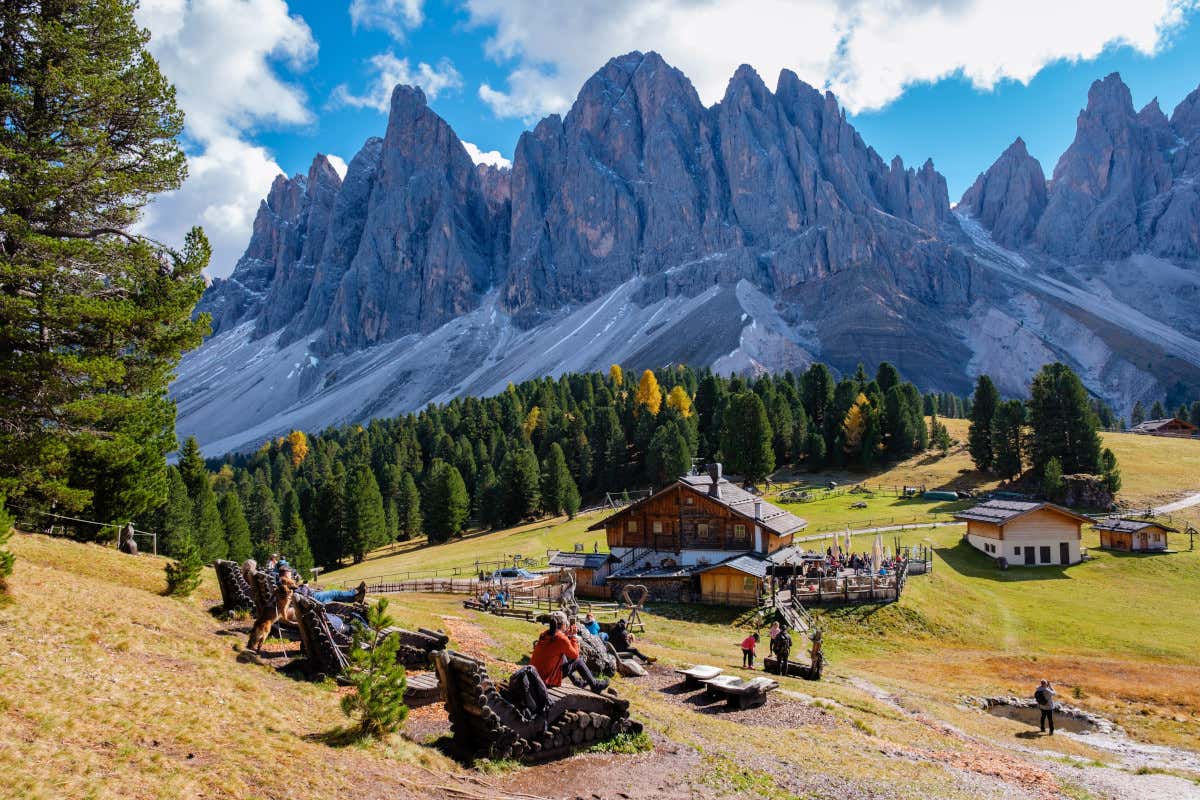
The case of overtourism in the Dolomites should be a lesson
When Protection Becomes Just Storytelling
The problem is repeated in cities of art, such as Florence, Venice, and Rome, which are formally protected but increasingly transformed into settings for tourist consumption. The writer Marco D’Eramo has argued that recognition could represent “the coup de grace for a city”, freezing it in a fixed image, ready to be consumed. This is an extreme thesis, but it addresses a real point: when protection is reduced to narration, it loses the ability to govern change.
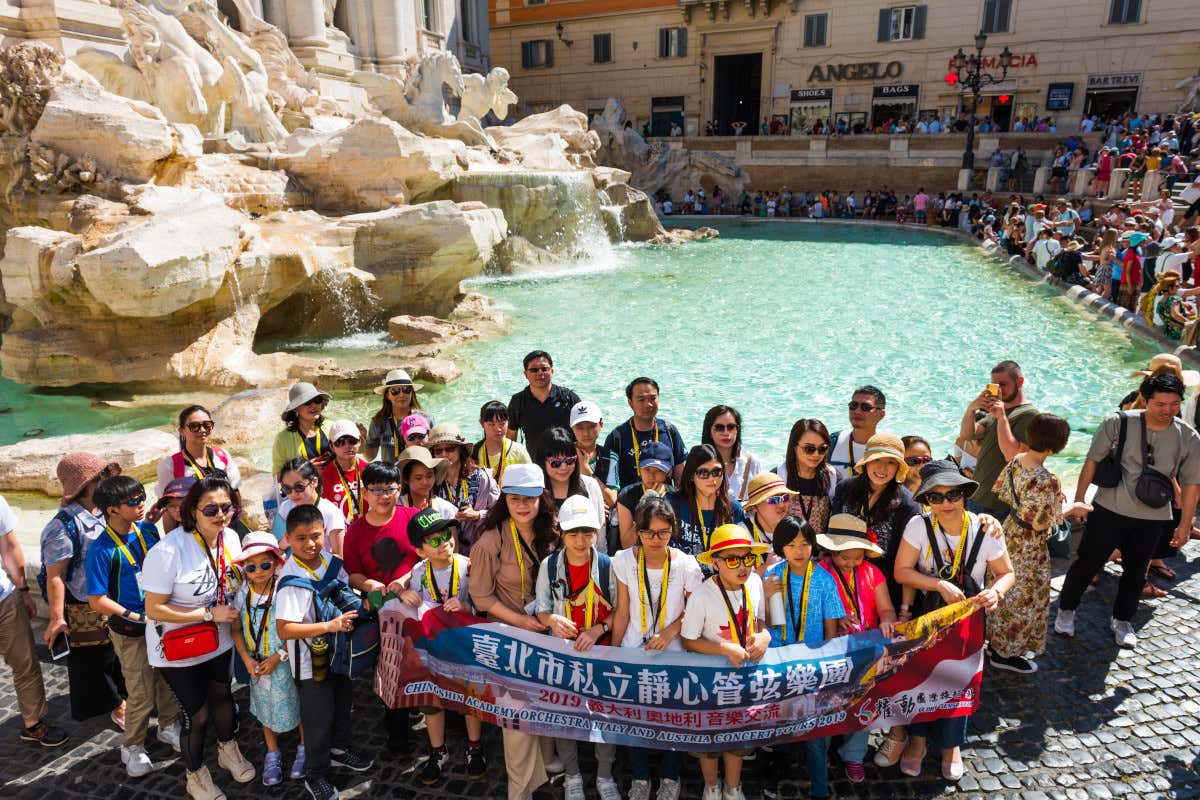
Rome – like cities of art – is increasingly transformed into a setting for tourist consumption
The Issue is Political, Not Cultural
In the end, the problem is not cultural but political. The UNESCO system lives on diplomatic balances, economic interests, and decisions of states. When protection and development come into conflict, too often the latter prevails. The result is territories protected on paper and consumed in fact. This is where the theme of edible cities starts, which is now gaining ground in the national debate.
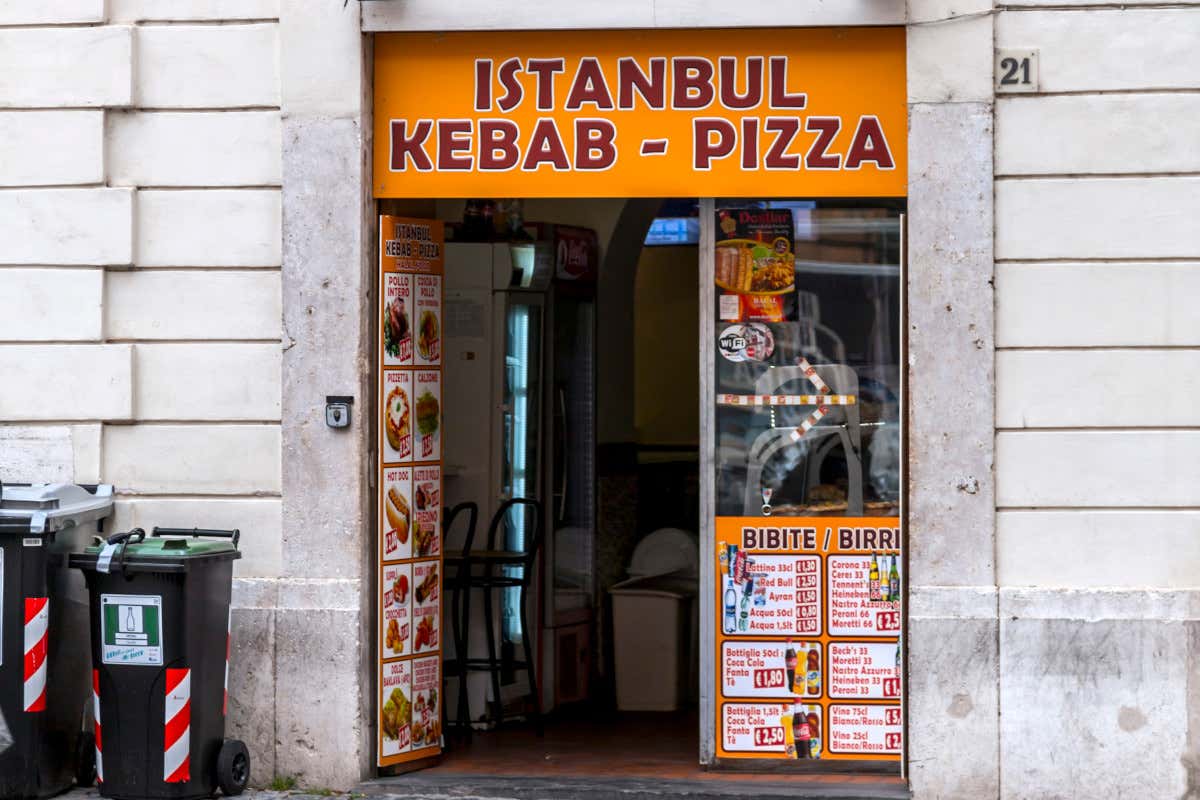
The growth of restaurants in cities is also based on a proliferation of ethnic venues, from kebabs to sushi
When Protection Does Not Govern, Consumption Takes Over
The UNESCO recognition was not created to increase tourist flows, but to protect a cultural or natural heritage. However, when protection remains only formal and is not accompanied by government tools, the brand ends up functioning as a multiplier of fragility. In these cases, tourism does not become knowledge, but rapid consumption. Places stop being living systems and are transformed into products: to be visited, photographed, crossed quickly.
Standardization and Food that in the End is the Same Everywhere
The point is not the presence of different cuisines, nor the demonization of ethnic or fast food. The point is the absence of a vision. When everything is allowed everywhere, without any context evaluation, the result is not pluralism but uniformity. Cities become interchangeable, and food – instead of telling them – ends up erasing their differences.
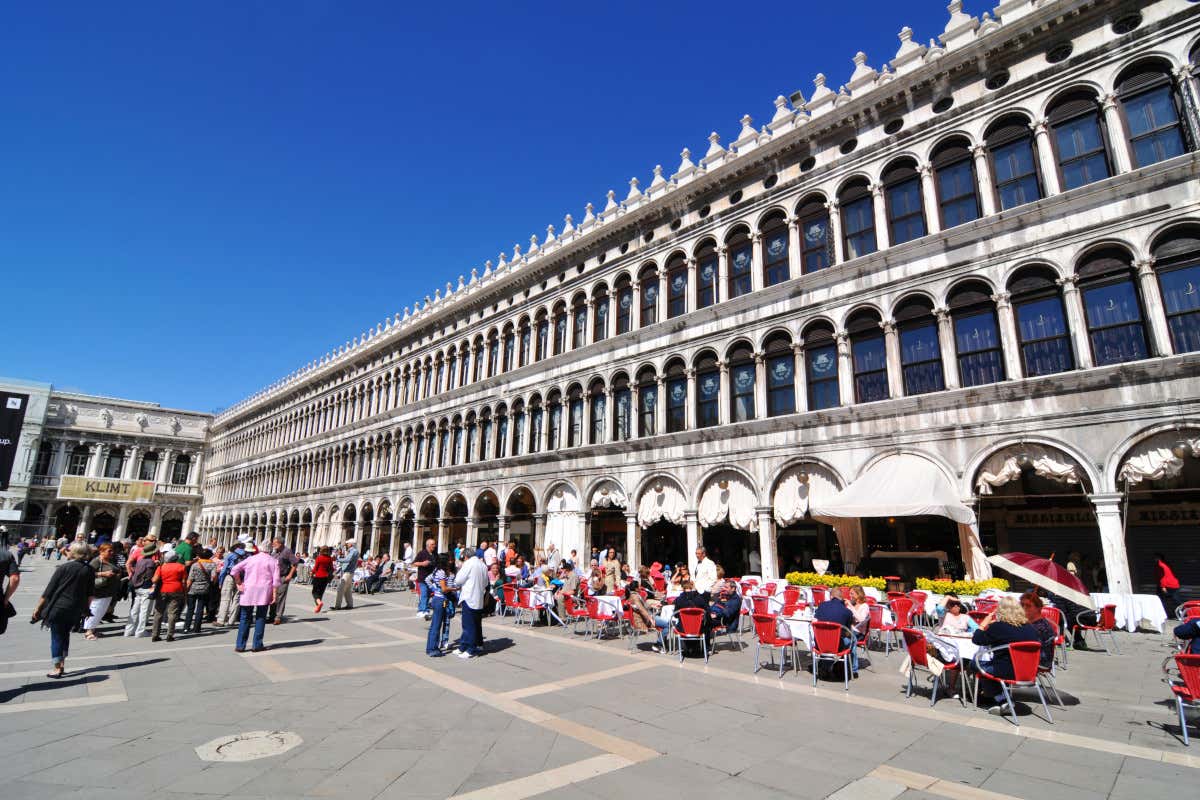
In the restaurants in Piazza San Marco the menus are (almost) all the same
Cities Dedicated to Mass Food are the Real Risk
And it is precisely in this gap between declared protection and real consumption that food comes into play. Why if cities become edible, they become so first of all through what they offer to eat: an increasingly wider, replicable, reassuring offer, but often disconnected from the identity of the places. In the face of UNESCO protection, foodification, i.e., a form of standardization of the gastronomic offer, brings with it the risk that even food – from being an instrument of knowledge – becomes a simple accessory of mass tourism.
Read more about this topic Here